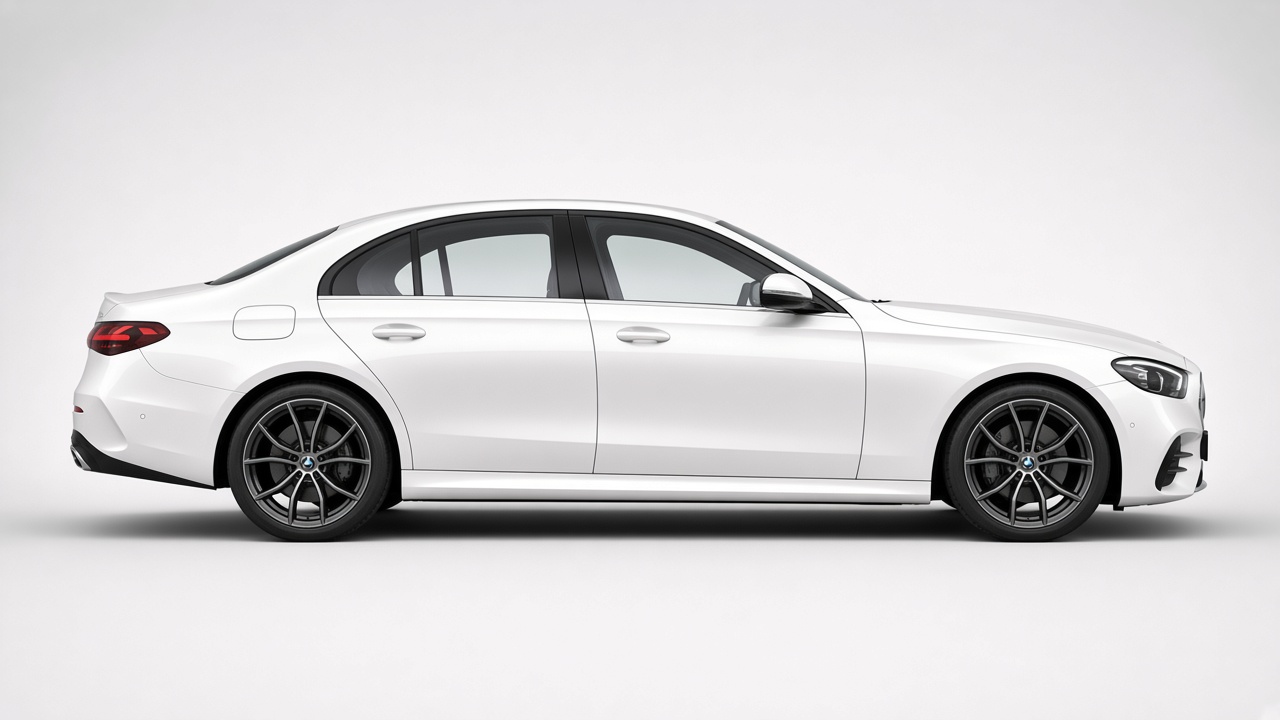
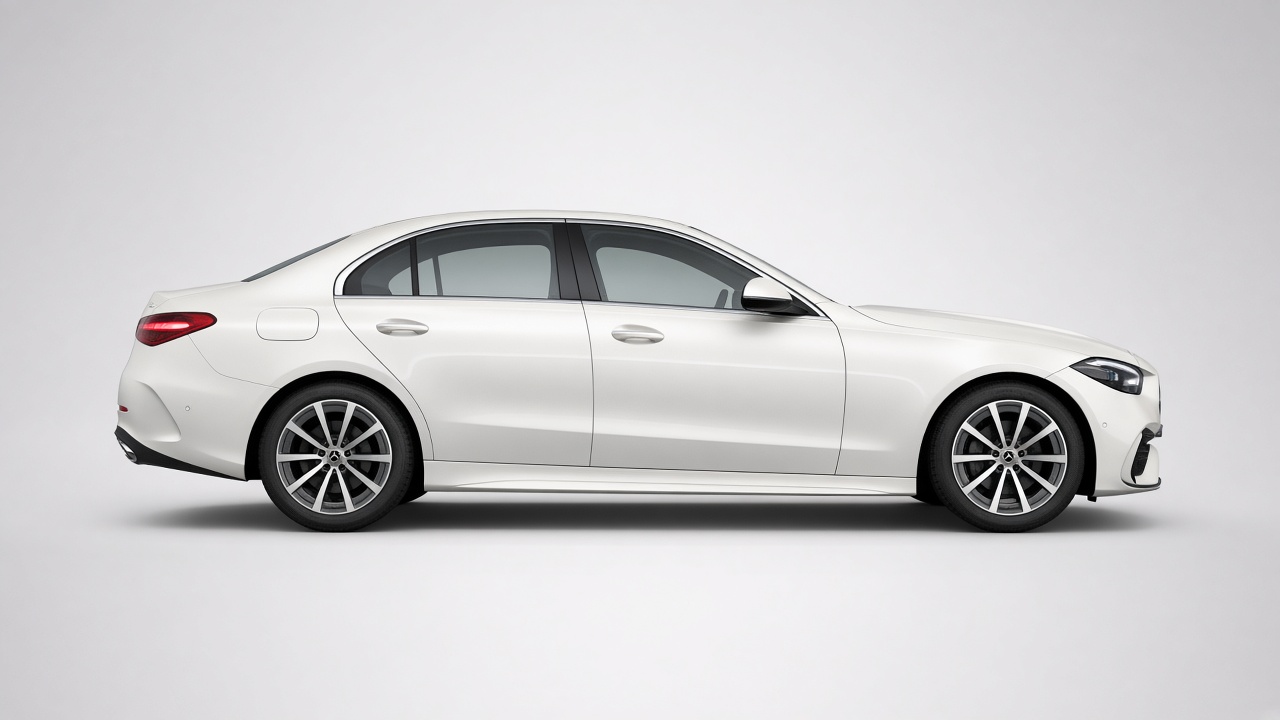
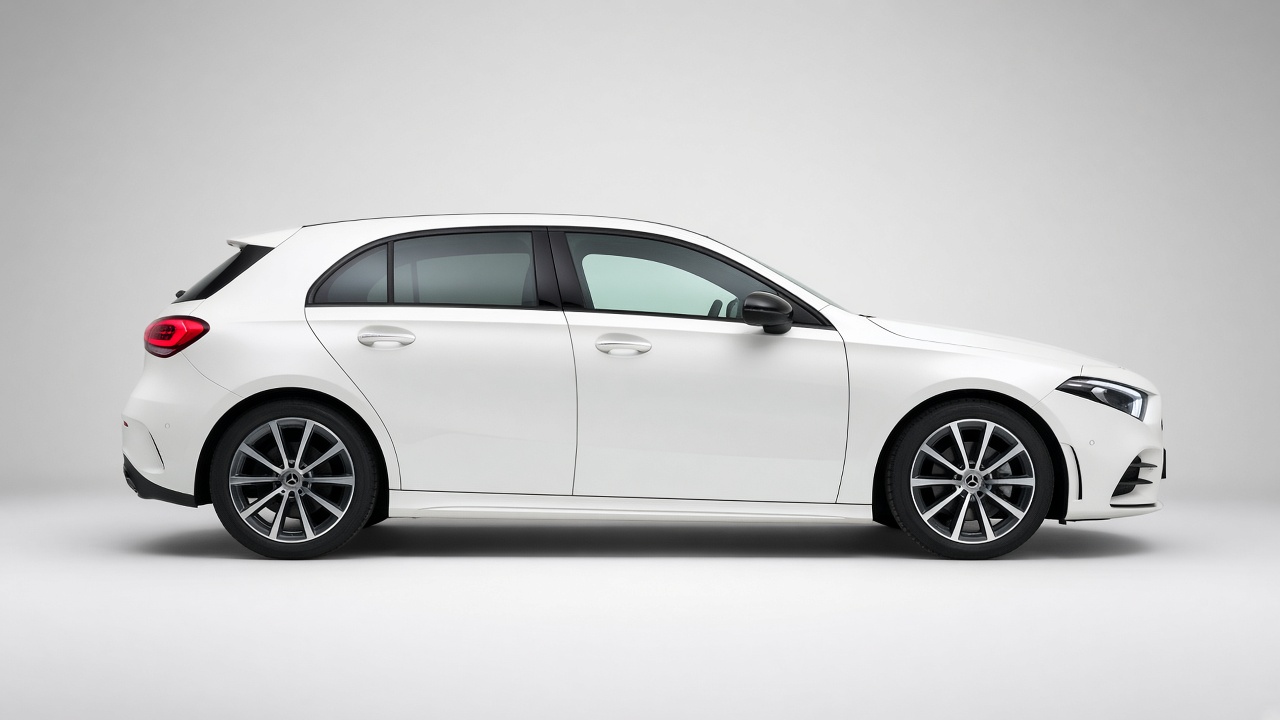
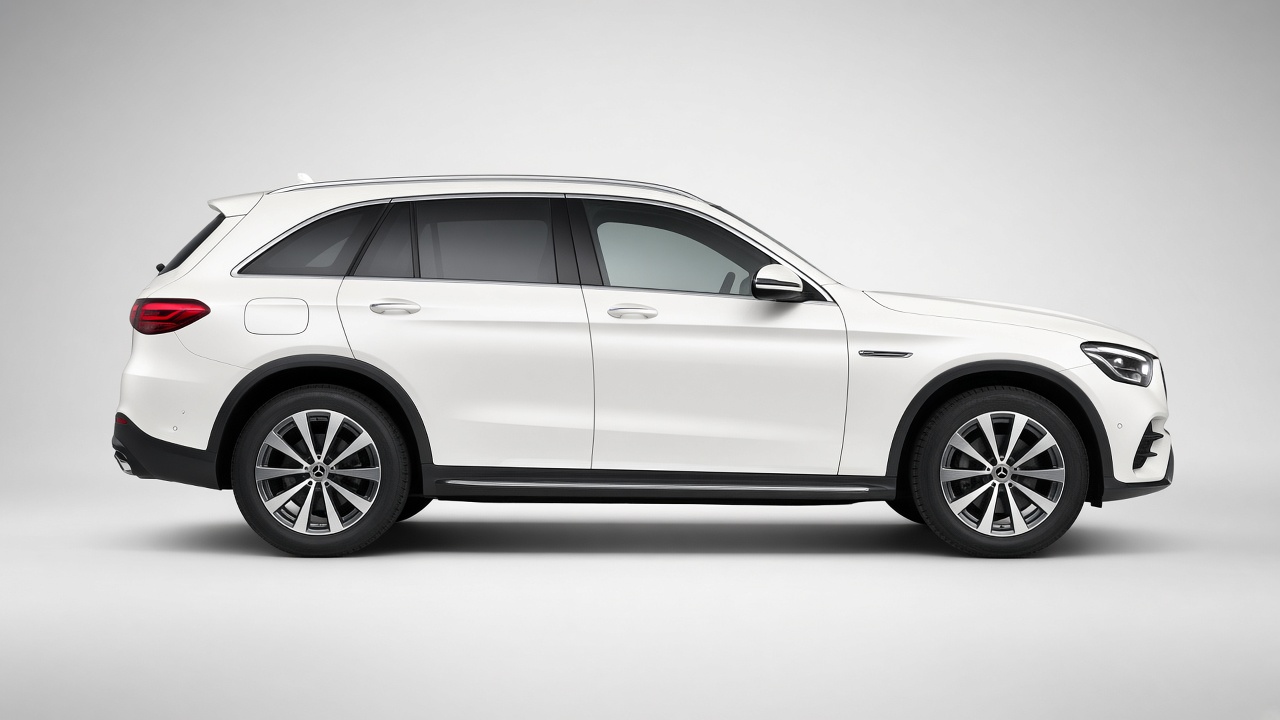
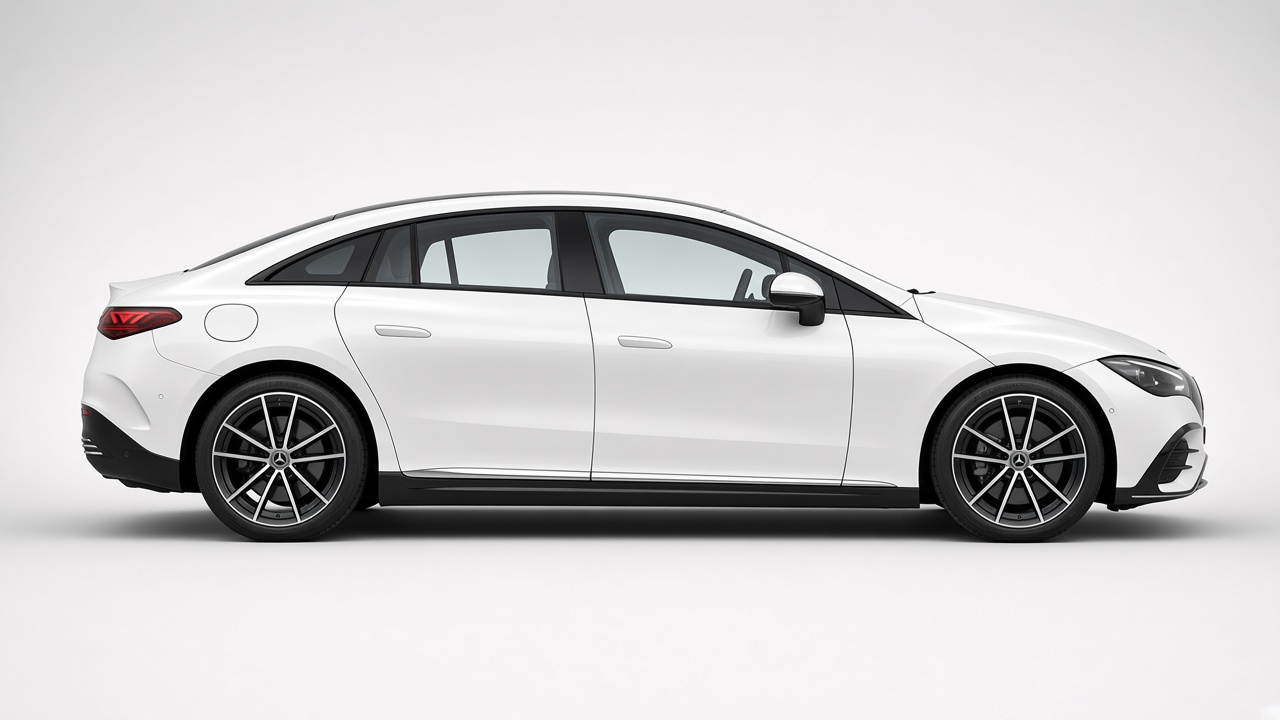
Diesel power is here to stay in Mercedes-Benz luxury cars – alongside petrol and electric options – as long as it remains popular with customers.
The German giant has invested in upgrading its 2.0-litre four-cylinder and 3.0-litre six-cylinder turbo-diesel engines to meet tough Euro 7 emissions rules due in force in Europe later this year.
While rivals are phasing out diesel – BMW deleting it from the latest 3 Series sedan – Mercedes-Benz will keep it in showrooms while customers want it.
“We have great diesel engines, but at the end, the customer decides what he or she wants,” Mercedes-Benz chief technical officer Jorg Burzer told Australian media including Drive.
MORE: 2026 Mercedes-Benz A-Class most asked questions

“And it’s depending a little bit also on the car, the usage, and the portfolio segment there, but the good thing for us is that we have excellent diesel engines, gasoline engines, and electric powertrains. So we’re very proud of that.”
The exceptions to the plan are smaller models in the Mercedes-Benz range – the CLA, GLA and GLB – which share a new platform that has not been engineered for a diesel engine.
Instead, Mercedes-Benz has opted for a choice of electric power, or a 1.5-litre turbo-petrol four-cylinder hybrid that offers comparable fuel economy to a diesel engine.
MORE: Is it still worth buying a used diesel car?

Diesel engines remain popular in more expensive Mercedes-Benz models.
In 2025, diesel accounted for 92 per cent of GLS sales in Australia, as well as 78 per cent of GLEs – excluding the ‘coupe’ body style that does not offer a diesel option – and 23 per cent of G-Class 4WDs.
Diesel options were deleted from the GLC and C-Class ranges in Australia with new-generation models in recent years, replaced by a mix of petrol and hybrid variants.
MORE: 2027 Mercedes-Benz GLE450e price and specs — plug-in power comes to large luxury SUV

Nearly 52 per cent of new vehicles sold in Europe in 2015 were powered by diesel, but that has slumped to just 6.5 per cent in the first half of this year, with hybrids now on 36.9 per cent, EVs at 22.2 per cent, and petrol at 22 per cent.
In Australia, 24.3 per cent of all new vehicles sold so far this year are diesels – behind petrol (27.5 per cent) but ahead of EVs (19.3 per cent) – but the figure includes utes and vans, which are predominantly diesel-powered.
Remove light commercial vehicles, and diesel’s share slumps to about 10 per cent – down from about 15 per cent a year earlier.
The post Mercedes-Benz commits to diesel power appeared first on Drive.