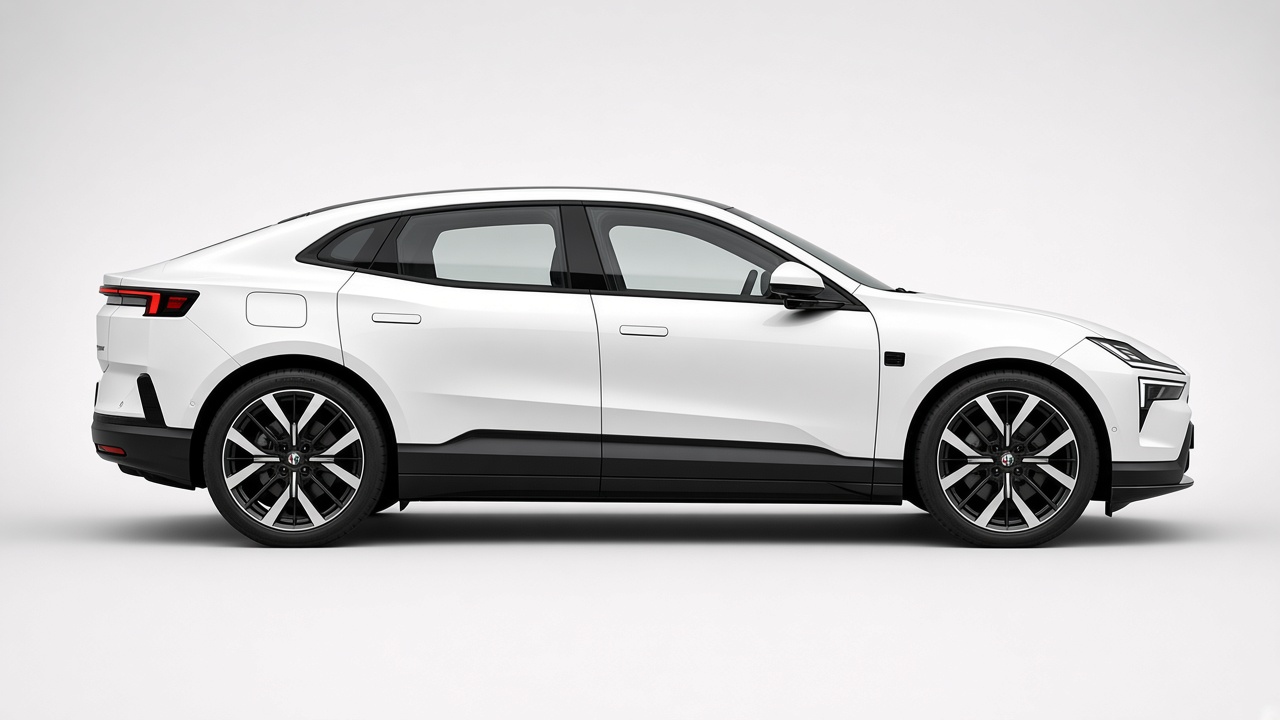
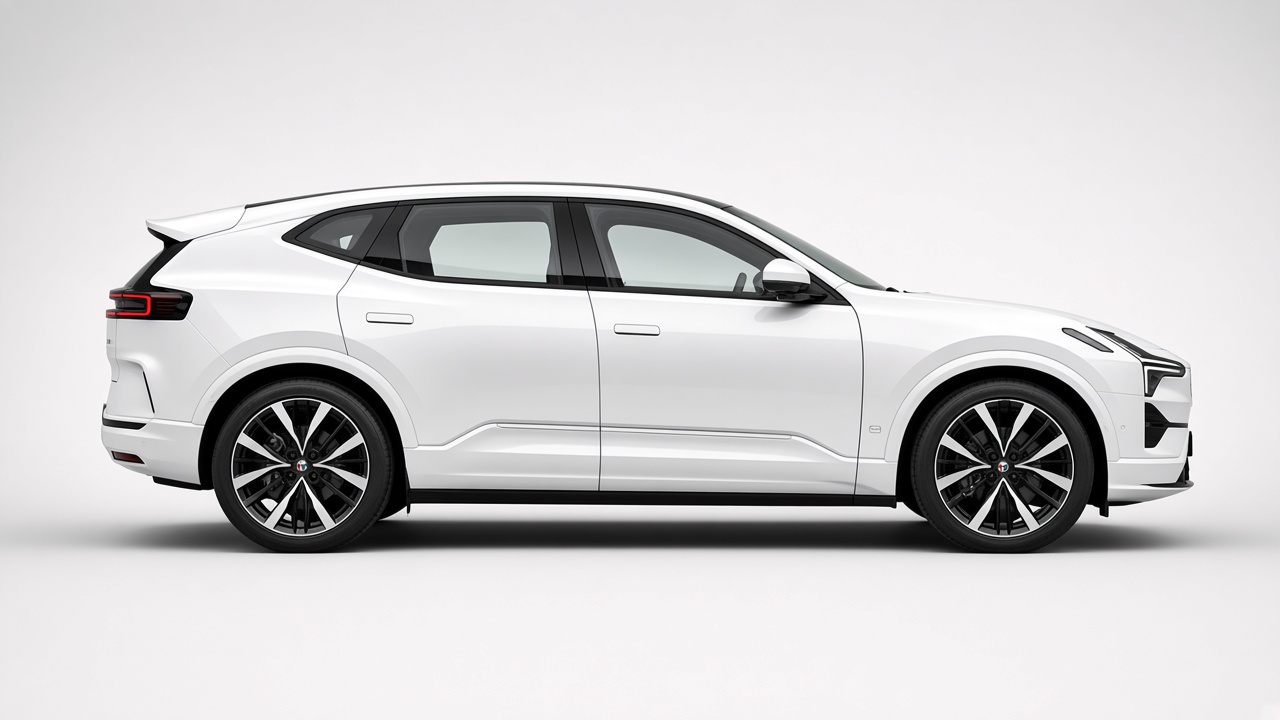
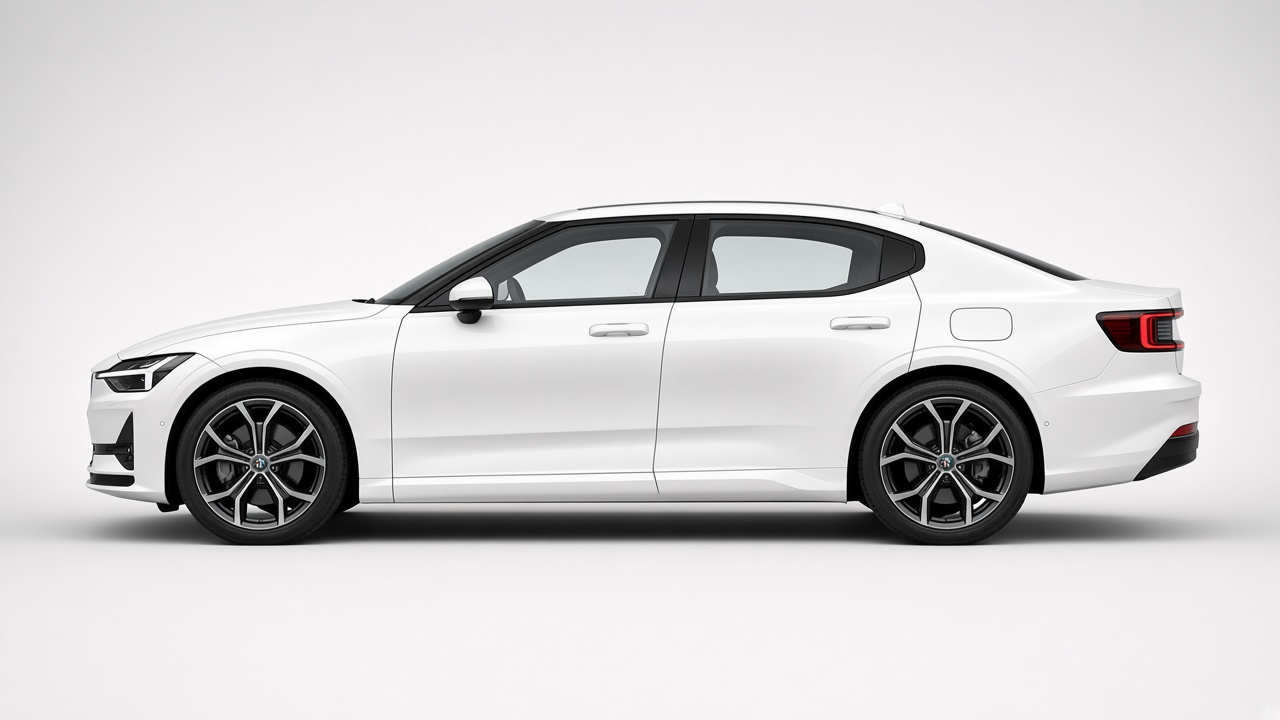
Polestar Australia has condemned the Australian Government’s decision to wind down tax benefits for electric vehicles, calling the changes “half-arsed” and “not particularly clever”.
Recent changes to fringe benefits tax (FBT) exemptions will move the goalposts for electric vehicles, which will rake in an additional $1.94 billion for the tax office over the next four years.
“I think the measure that’s been taken now to just step it down to 75 grand is somewhat half-arsed because it really only affects vehicles being sold between $75,000 and $91,387,” Polestar Australia’s Managing Director, Scott Maynard, told Drive.
“There still has to be an incentive applied by government to encourage people to buy electric vehicles because they’re good for consumers and good for the environment.”
MORE: FBT exemption for electric cars to be wound back after billion-dollar cost blowout

The Australian Government’s plan to wean electric vehicles off an FBT exemption comes into play on 1 April 2027, where the first phase will see the price cap of EVs lowered from $91,387 to $75,000.
Vehicles between $75,000 and $91,387 will still be eligible for a 25 per cent tax exemption.
However, that will extend to battery-electric vehicles under $75,000 from 1 April 2029.
The plan is part of the staged weaning that saw plug-in hybrid vehicles removed from the “low-emissions” classification as part of the FBT exemption from 1 April 2025.
MORE: Polestar 4 SUV order books filling up, months ahead of launch

As previously reported by Drive, data from the Federal Government shows an additional revenue earning of $1.94 billion by the end of the 2030-31 financial year, once electric vehicles begin paying 75 per cent of the tax.
Polestar further condemned the tax changes, as utes are still exempt from the FBT with limited personal use clauses, with no plans to strip this back for business owners.
“[The Government is offering incentives] for luxury utes, and we’re spending far more money incentivising people to buy those than we are incentivising people to buy [electric vehicles]. That doesn’t make sense,” said Maynard.
MORE: This Polestar 4 quirk is driving me crazy (and it’s not the rear window)

“So if the government wants to change its expenditure on the encouragement of automotive sales, then start scrutinising how much money you spend putting people into $100,000 dual cabs.”
Following the wind-down of the FBT exemption for electric vehicles, there will be no set nationwide incentive for purchasing an electric car besides a $10,852 higher LCT threshold for all “fuel-efficient vehicles”.
The threshold will then be pushed up to $120,000 for eligible European-made vehicles if the Australia-EU Free Trade Agreement is finalised, though there is no set date just yet.
The post Polestar condemns Australia’s car taxes: ‘Not particularly clever’ appeared first on Drive.